Vietnamese in the U.S. Scammed $10,000 in 24 Hours – A Warning About Sophisticated Facebook Fraud
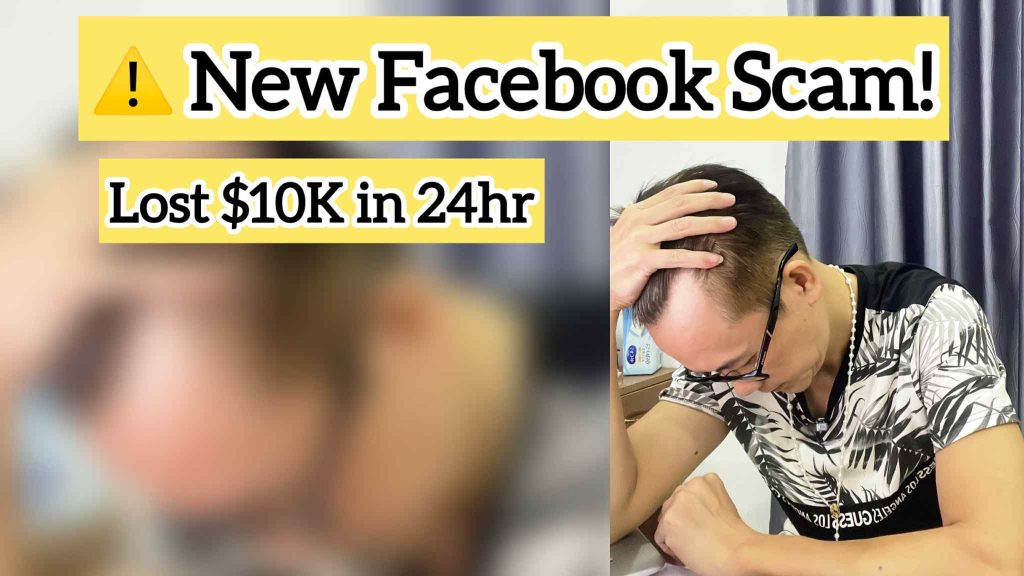
Vietnamese in the U.S. Scammed $10,000 in 24 Hours – A Warning About Sophisticated Facebook Fraud
A $10,000 Wake-Up Call: A Real Scam Targeting Vietnamese Living in the United States
In the digital age, social media connects people across borders faster than ever. For overseas Vietnamese, especially those living in the United States, Facebook has become a lifeline — a place to communicate with family, stay in touch with friends, and share everyday moments. But this convenience comes with hidden risks. Whenever technology becomes part of daily life, it also becomes a target for criminals who understand human psychology better than we expect.
This article tells the true story of a Vietnamese woman living in the U.S. who lost $10,000, equal to 225 million VND, in just 24 hours. Not only did she lose access to her Facebook account, but her friends and relatives were lured into sending money to the hacker, believing they were helping her in an emergency.
Her story is not an isolated case. It is now a common pattern:
hack the victim ? read their messages ? impersonate them ? scam their contacts.
This article explains exactly how the scam worked, why Vietnamese people abroad are extremely vulnerable, and what steps everyone must take to avoid becoming the next victim.
1. It All Began With a Fake Facebook Warning
The entire nightmare started with a Facebook notification that looked disturbingly real. The message claimed her account had violated Facebook’s Community Standards and would be permanently removed within 24 hours unless she verified her identity by “logging in again.”
The message contained:
- Facebook-style colors
- An official-looking warning icon
- Urgent language
- A link that appeared trustworthy
For many overseas Vietnamese, Facebook is more than a social platform — it is the primary connection to family in Vietnam. Losing a Facebook account is almost like losing a phone. So when she saw the warning, fear kicked in immediately.
She clicked the link.
The website she opened looked almost identical to Facebook’s login page. Same colors, same design, same form fields. Without thinking twice, she typed in her username and password.
At that moment, her information was sent directly to a hacker.
She went to sleep that night having no idea she had just lost control of her entire digital identity.
2. The Hacker Worked While She Was Asleep
Because the woman lived in the United States and the hacker was in Vietnam, their time difference made the scam even more effective. When she was asleep, the hacker was fully awake and ready to work.
Within minutes, the hacker:
- Logged into her Facebook account
- Changed her password
- Updated her email
- Replaced her phone number
- Enabled two-factor authentication using their own number
Once these changes were made, the real owner could no longer recover the account with normal methods.
But the real damage was yet to come.
3. Exploiting Her Messenger Conversations
After securing full control, the hacker opened her Messenger messages. They took time to read:
- Who she trusted
- Who she talked to the most
- Who had close relationships with her
- Who might be willing to send money quickly
By imitating her writing style, tone, and personal way of speaking, the hacker was able to impersonate her flawlessly.
Then they started messaging her friends and relatives:
“Help me, please! My husband is in the hospital in Vietnam.
They need money immediately for treatment. Can you send me some?
I’m panicking right now.”
Or:
“My family member is in ICU. I need money urgently.
Please help me — I will pay you back as soon as I can.”
These messages were extremely convincing because:
- They came directly from her account, not a random number.
- The hacker used details from past conversations.
- The tone sounded exactly like her.
- The messages arrived late at night — the perfect emotional moment.
Her friends, wanting to help her, immediately transferred money. Some sent a few hundred dollars. Others sent thousands.
In just one night, the hacker collected $10,000 from well-meaning people who believed they were saving someone they cared about.
4. The Next Morning: Panic, Confusion, and Shock
When she woke up, she tried logging into Facebook and discovered she was locked out. The password didn’t work. The recovery email wasn’t hers. The phone number had been changed.
At the same time, her phone began buzzing nonstop.
Friends were calling and messaging:
- “Is your husband okay?”
- “I sent the money — did you get it?”
- “Why aren’t you responding? I’m worried!”
- “Did something bad happen?”
She was confused.
Then horrified.
Then heartbroken.
Only then did she realize her account had been hijacked and her friends had been tricked. By the time she reached out, it was too late — all the money had been withdrawn and disappeared.
The emotional impact hit her harder than the financial loss. She felt guilty, embarrassed, and devastated that people who trusted her were scammed because of her hacked account.
5. Why Overseas Vietnamese Are Easy Targets
This type of scam disproportionately affects Vietnamese who live abroad — especially in the U.S., Canada, Australia, and Europe. Hackers understand this demographic extremely well.
(1) Time Zone Advantage
When the victim sleeps, the hacker works freely.
It gives them hours to manipulate the account without detection.
(2) Strong Community Trust
Vietnamese people often trust each other deeply, especially overseas.
A request for help from a friend feels legitimate — and urgent.
(3) Heavy Use of Facebook
Many Vietnamese use Facebook as their main communication tool.
(4) Language Familiarity
Hackers speak Vietnamese fluently and can mimic personal writing styles.
(5) Lack of 2FA
Most victims did not activate two-factor authentication, making hacking much easier.
6. The Red Flags Everyone Must Recognize
Understanding the signs of a Facebook scam can prevent disasters like this.
(1) Facebook Will Never Send Warnings Through Images or Comments
Any message saying “Verify your account now” through a photo is fake.
(2) Beware of Fake Links
Examples include:
- meta-security-check.com
- facebookpage-verify.net
- meta-alerts.center
If it doesn’t end in facebook.com or meta.com, don’t click it.
(3) Urgent Language
Scammers use fear to rush your decision:
- “Your account will be deleted in 24h!”
- “Verify now or lose access!”
This is classic manipulation.
(4) Incorrect Grammar
Fake warnings often contain spelling mistakes or awkward phrasing.
(5) Requests to Re-Login Through a Link
Facebook never asks users to log in through external links.
7. How to Protect Yourself Before It Happens
Prevention is always better than recovery. Here are essential steps:
1. Enable Two-Factor Authentication
This is the most effective defense.
Even if hackers know your password, they cannot log in without your verification code.
2. Never Click Suspicious Links
Especially those claiming “violation” or “security check.”
3. Check All Official Notifications in Support Inbox
Only trust messages at:
facebook.com/support
4. Use a Strong Unique Password
Do not use the same password for multiple accounts.
5. Do Not Share OTP Codes
No legitimate company will ask for your 6-digit verification code.
6. Regularly Review Logged-In Devices
Log out devices that you do not recognize.
7. Verify Money Requests Through a Call
Even if the message comes from someone you know, always double-check.
8. What To Do If You Are Already Hacked
Step 1: Visit Facebook’s Official Recovery Page
Step 2: Change Password If Possible
Step 3: Log Out of All Devices
Step 4: Inform Friends Immediately
Tell them not to send money.
Step 5: Submit ID to Facebook to Recover Your Account
If all else fails, use Facebook’s identity verification.
9. Final Thoughts: A Powerful Reminder for All of Us
This heartbreaking case shows how one careless click can cause enormous financial loss and emotional damage not just to one person — but to an entire circle of friends and family.
The woman who lost $10,000 did not make a foolish mistake.
She reacted the way most people would when they fear losing their Facebook account.
And the hackers knew exactly how to exploit that fear.
Cybercrime today is more sophisticated than ever. Scammers understand human emotions, especially trust and panic. They know how Vietnamese people communicate, how overseas families stay connected, and how quickly people respond to urgent messages.
This is why awareness is crucial.
Take this story as a wake-up call:
- Protect your account
- Enable 2FA
- Be skeptical
- Double-check money requests
- Educate family and friends
A few minutes of caution can prevent months of regret.
FacebookScam #VietnameseInUSA #OnlineFraudAlert #Lost10000Dollars #SocialMediaSafety #HackWarning #ProtectYourAccount #ScamPrevention